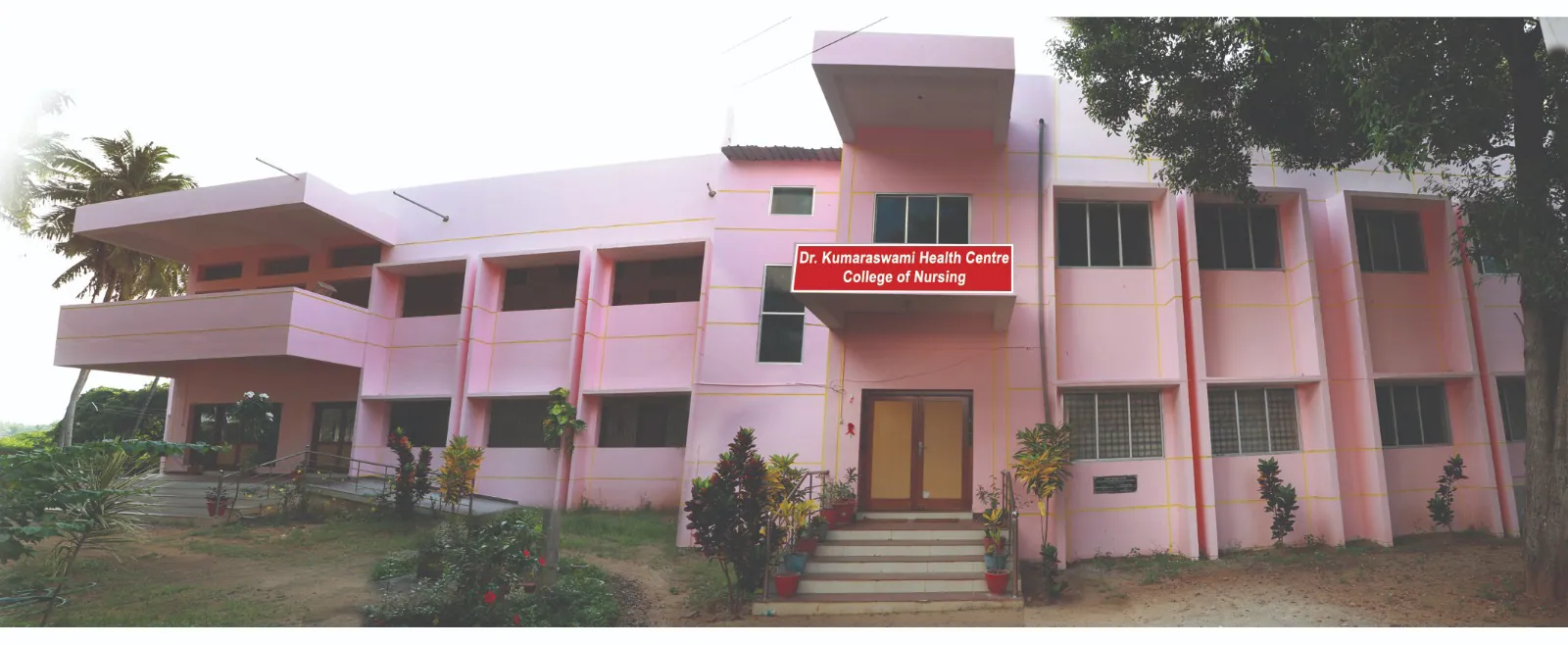
Nursing Research and Student Projects
Guided student projects that develop question-framing, method selection and honest reporting.
Clinical learning is an essential component of nursing education. Students are provided supervised exposure through hospital departments and specialty areas so that classroom knowledge becomes safe, confident patient care.
Clinical learning is an essential component of nursing education.
Students are provided supervised exposure through hospital departments and specialty areas so that they can apply classroom knowledge, develop procedural confidence, communicate effectively with patients and teams, and understand professional responsibilities in real care settings.
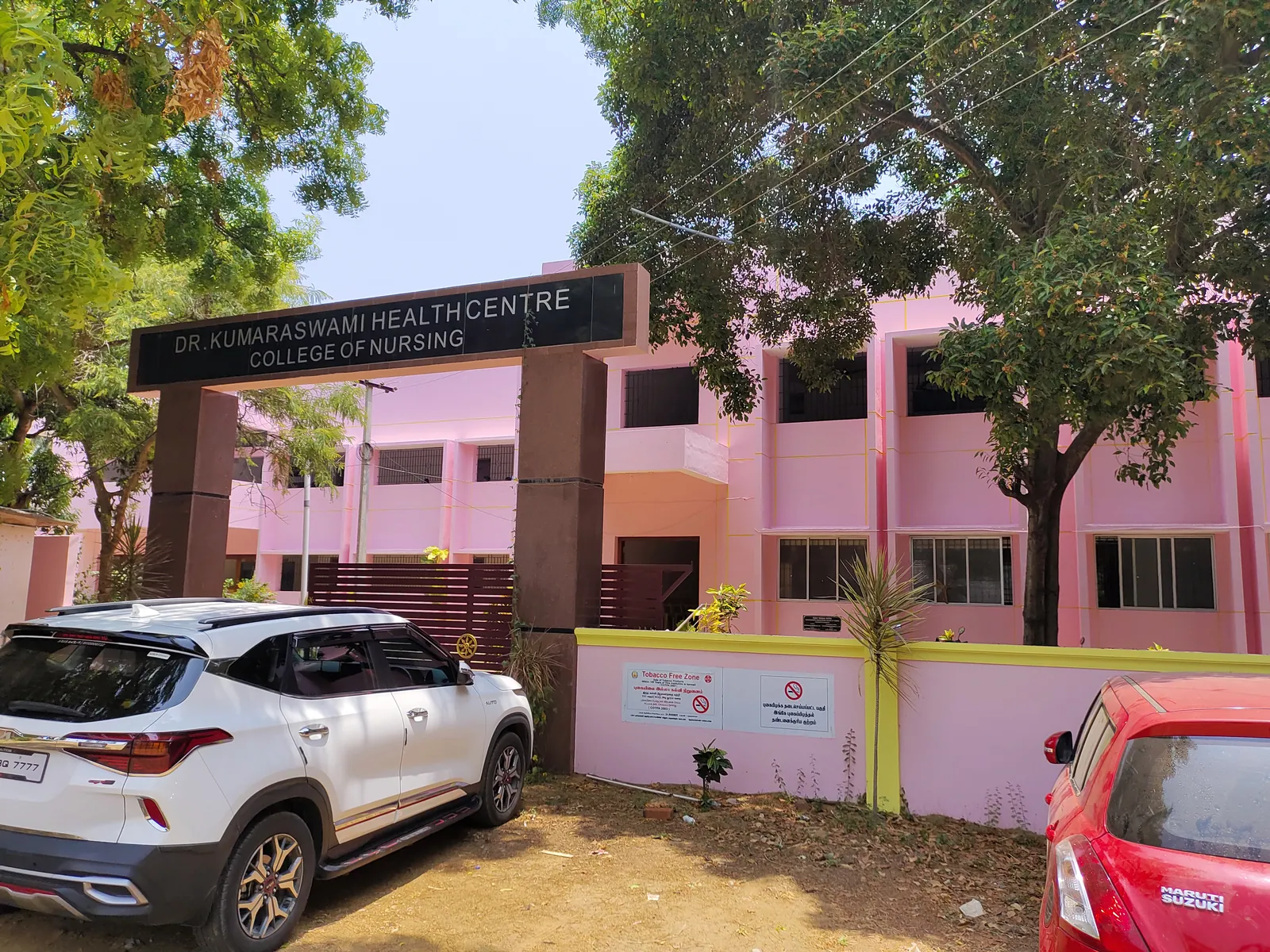 Multi-specialty exposure
 Community practice
Community-based learning helps students understand the health needs of families and populations.
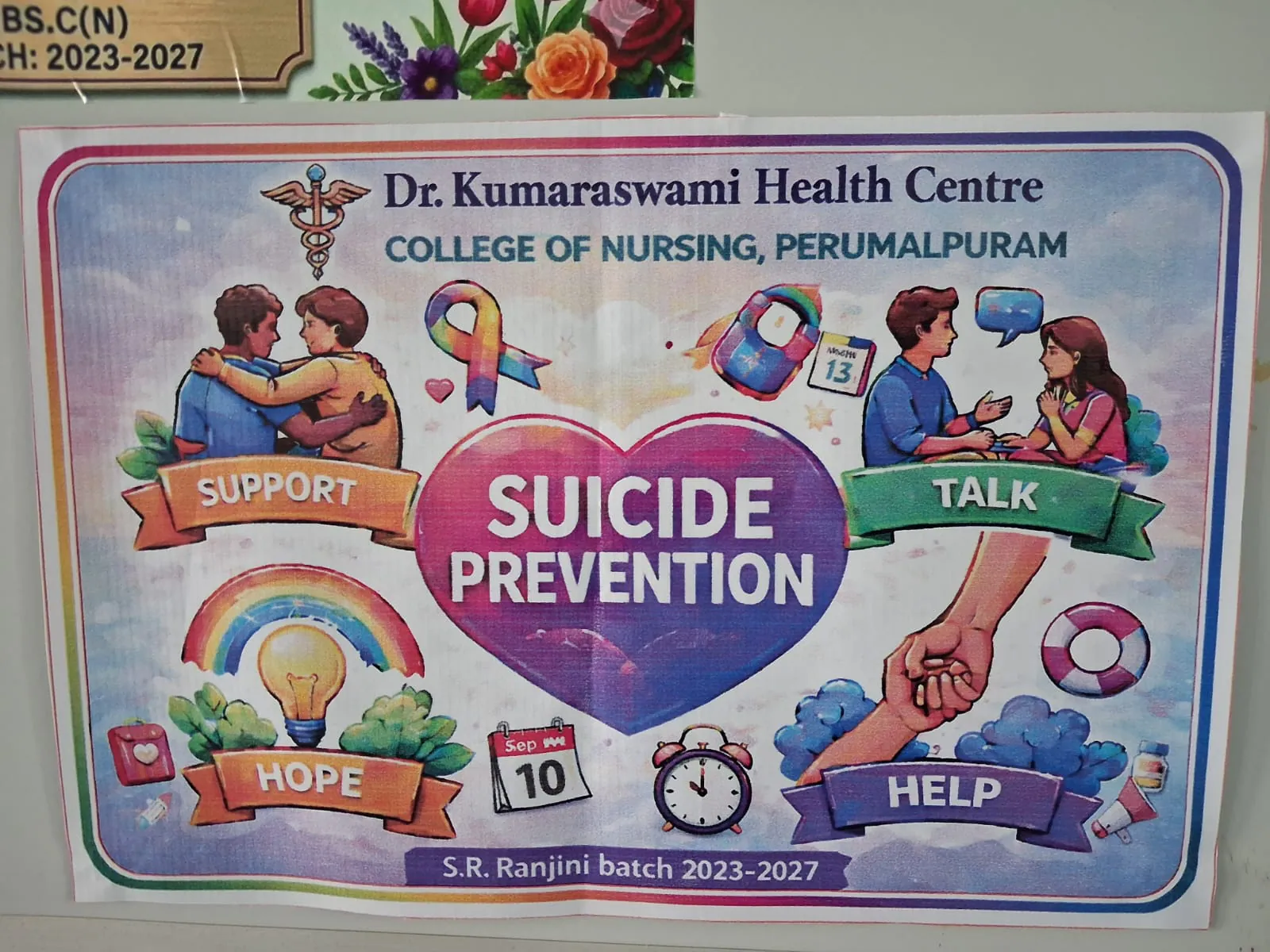
Through village-health camps, school-health activities, public-health awareness, community surveys, environmental initiatives, mental-health campaigns, and preventive-care education, students learn to connect nursing knowledge with local needs.
The College encourages students and faculty to cultivate inquiry, apply evidence to practice, and participate in activities that strengthen healthcare quality. Research engagement helps learners develop analytical thinking, academic communication, and a responsible approach to improving patient and community outcomes.
Guided student projects that develop question-framing, method selection and honest reporting.
Applying current evidence to nursing decisions at the bedside and in the community.
Opportunities to write up and present work to professional audiences.
Participation in academic events that broaden clinical and research perspective.
Community-health projects, quality-improvement work and patient-safety initiatives.
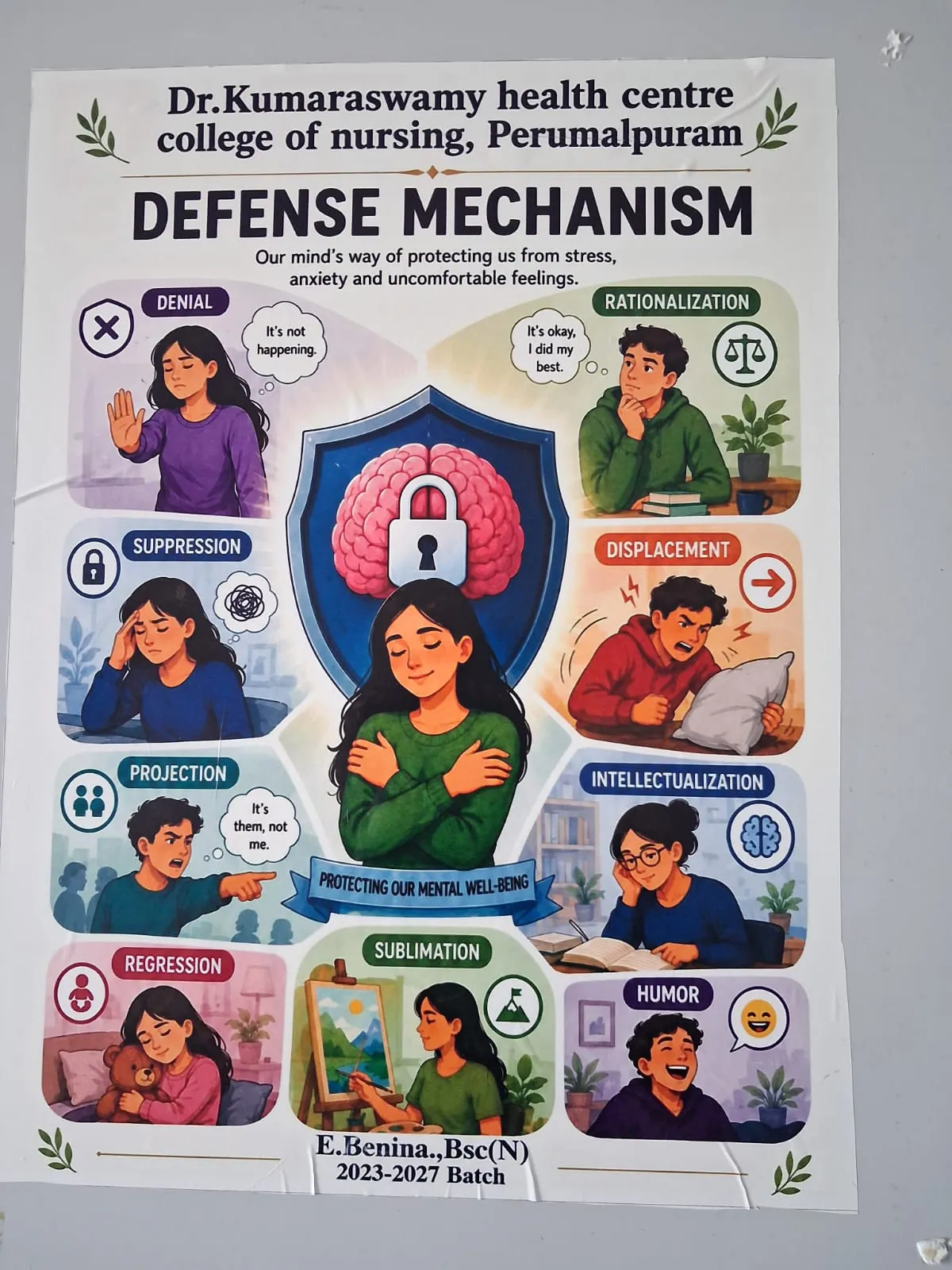
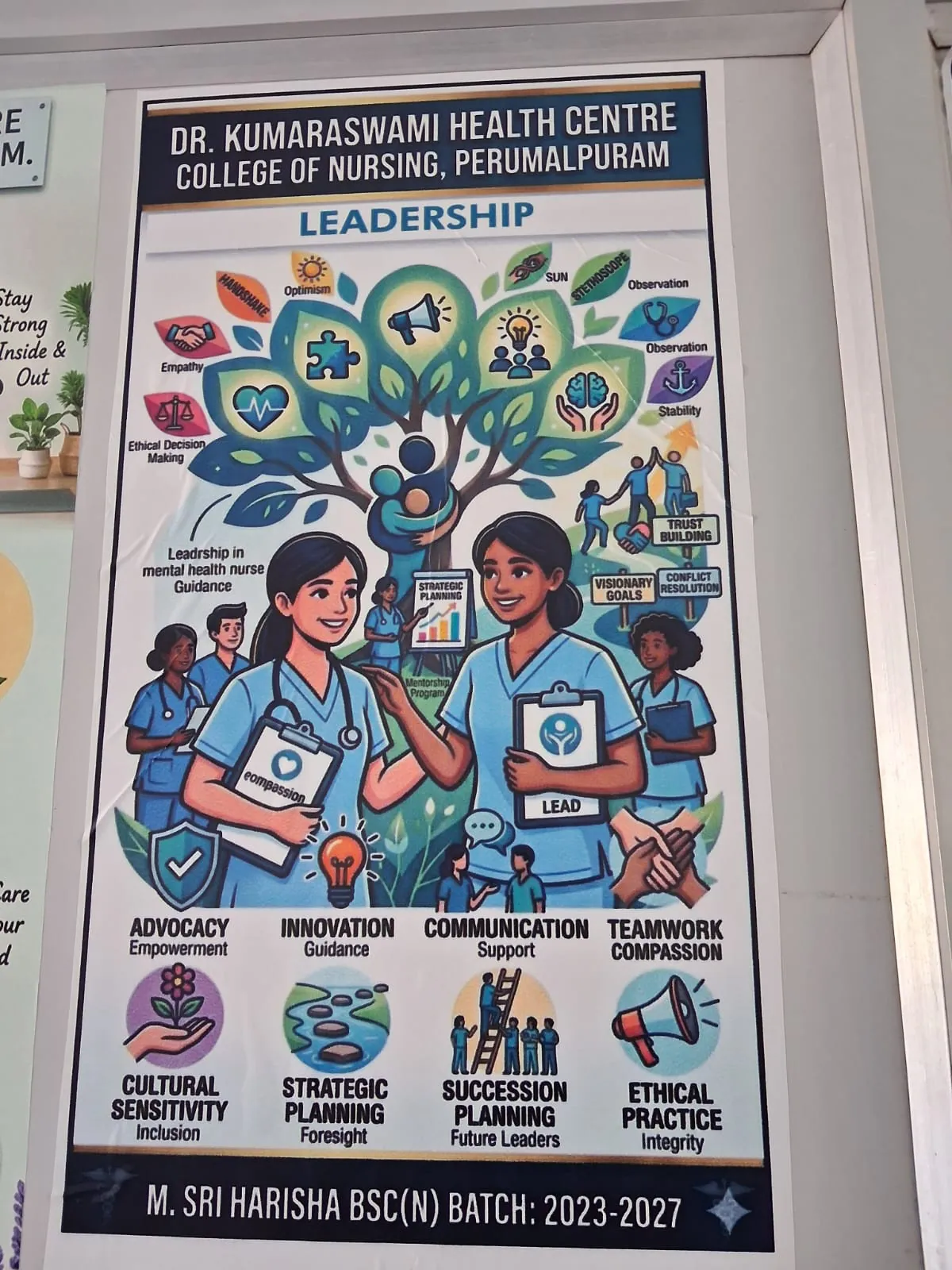
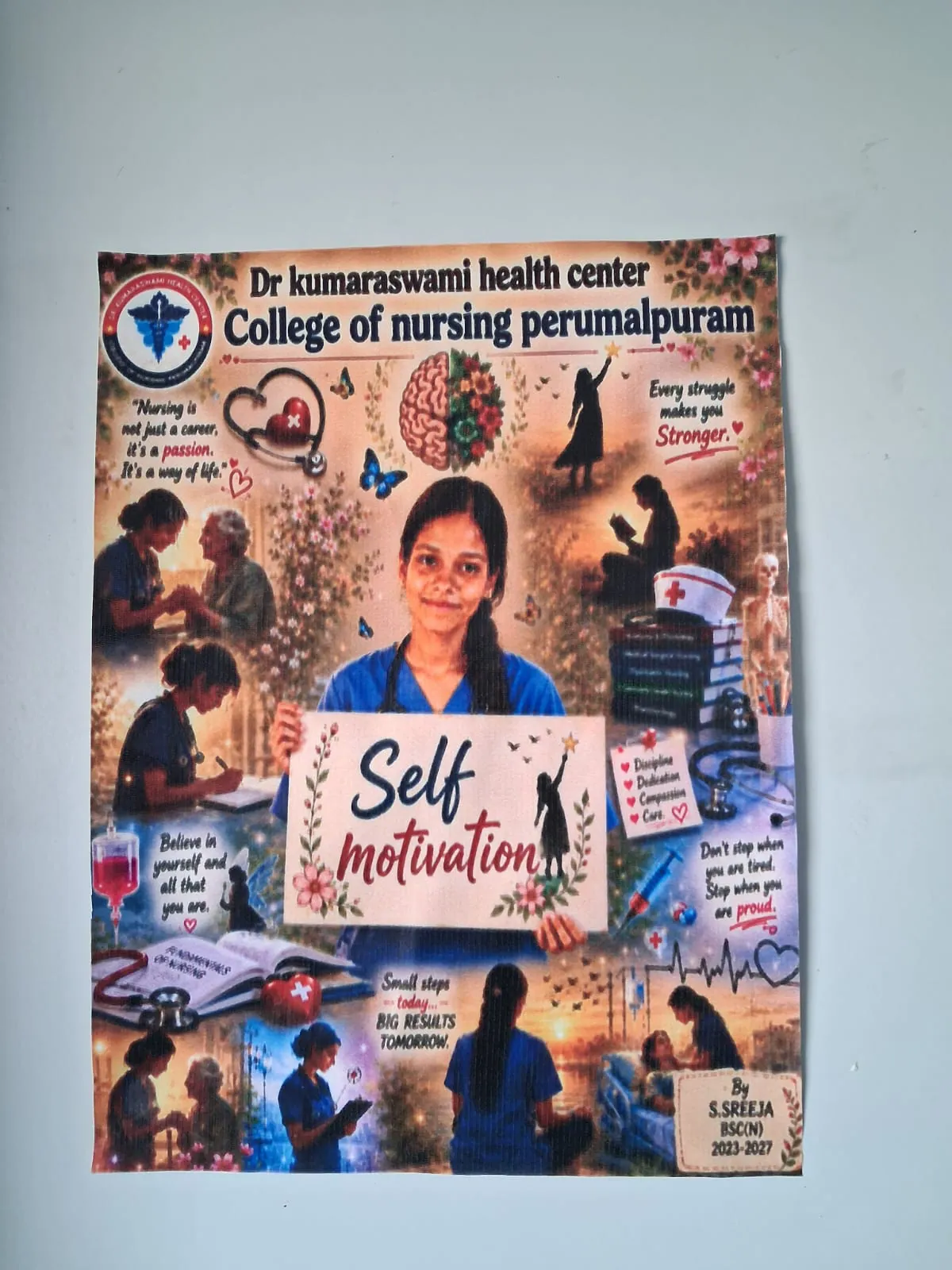
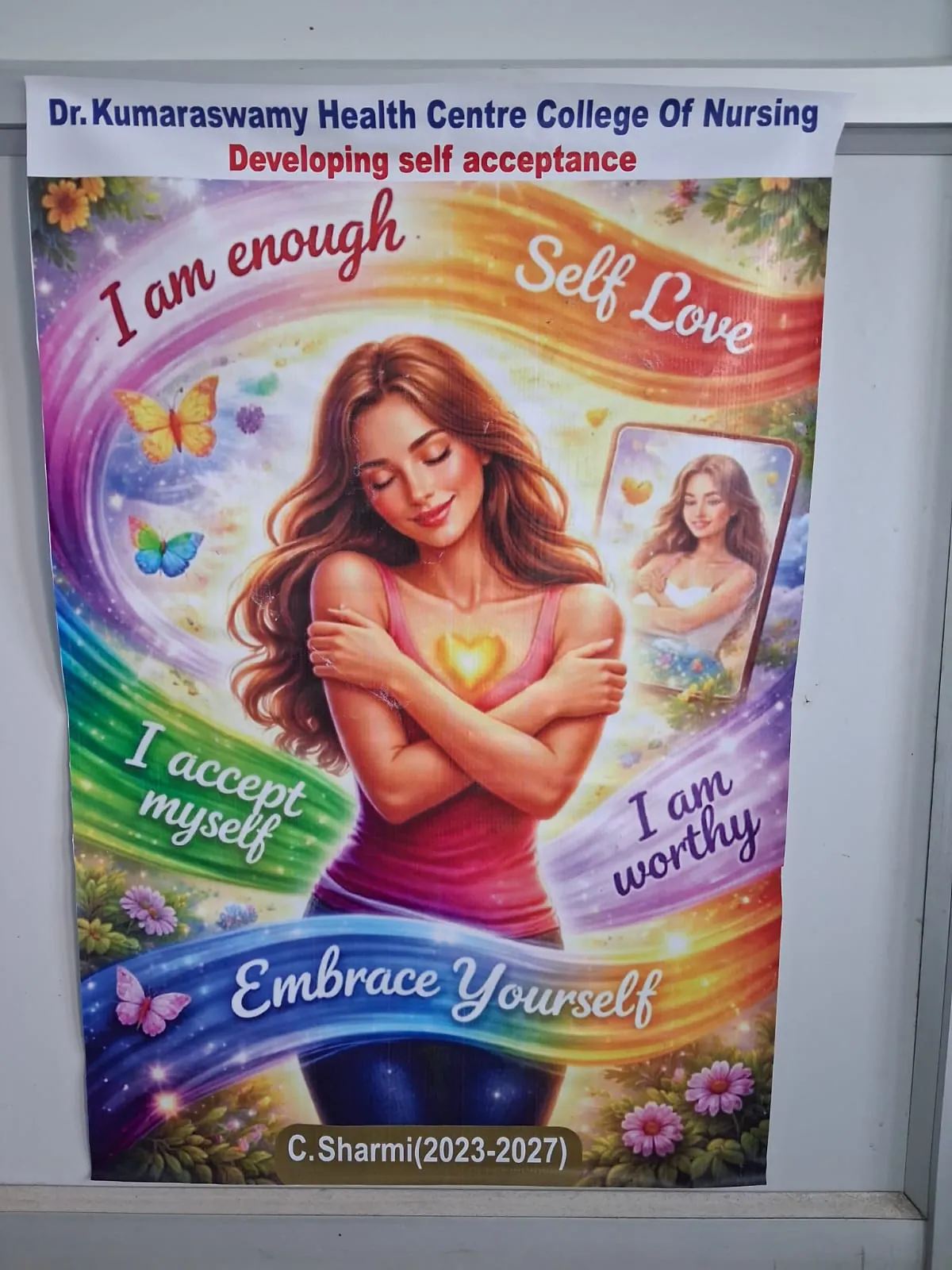
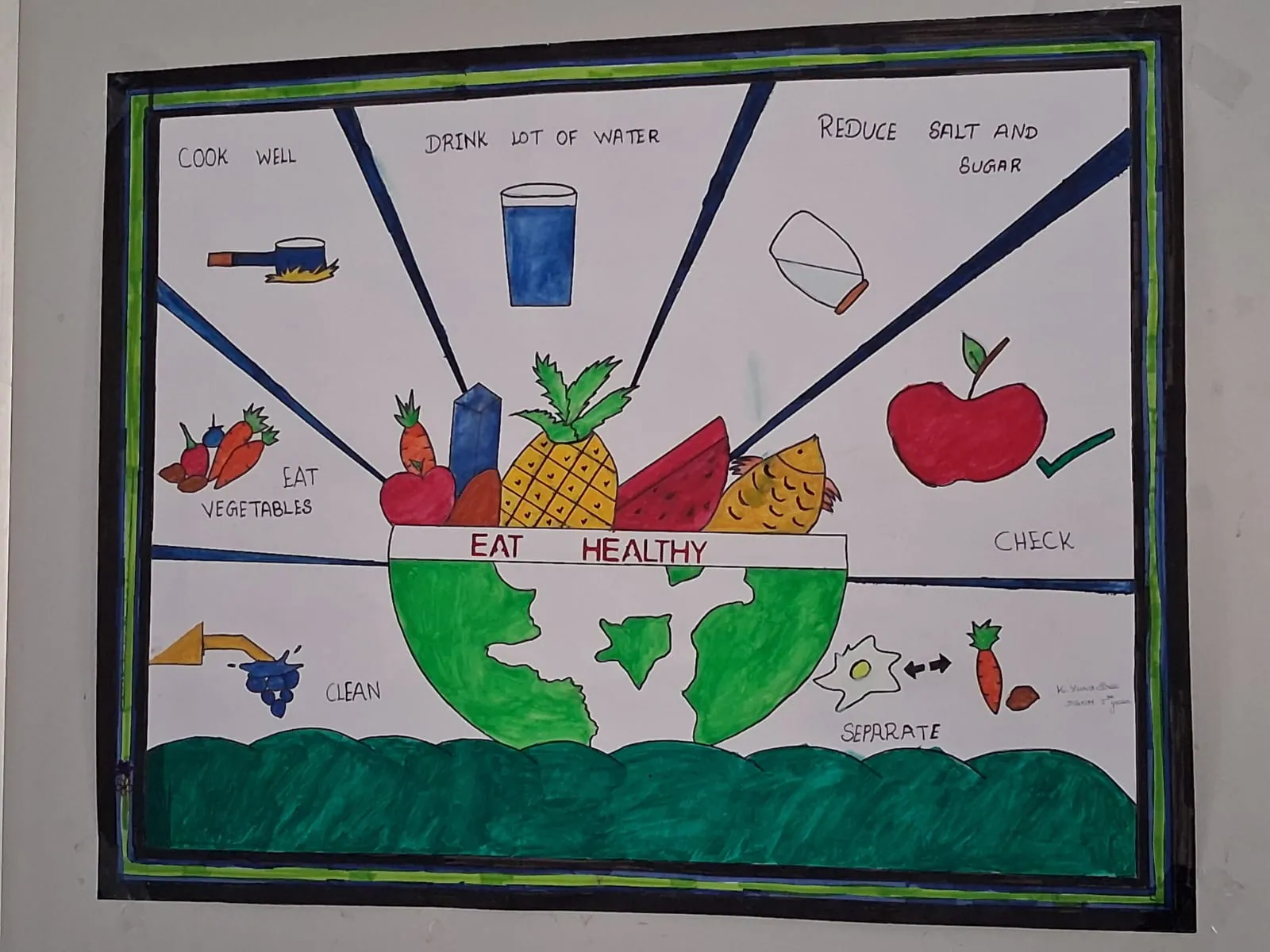
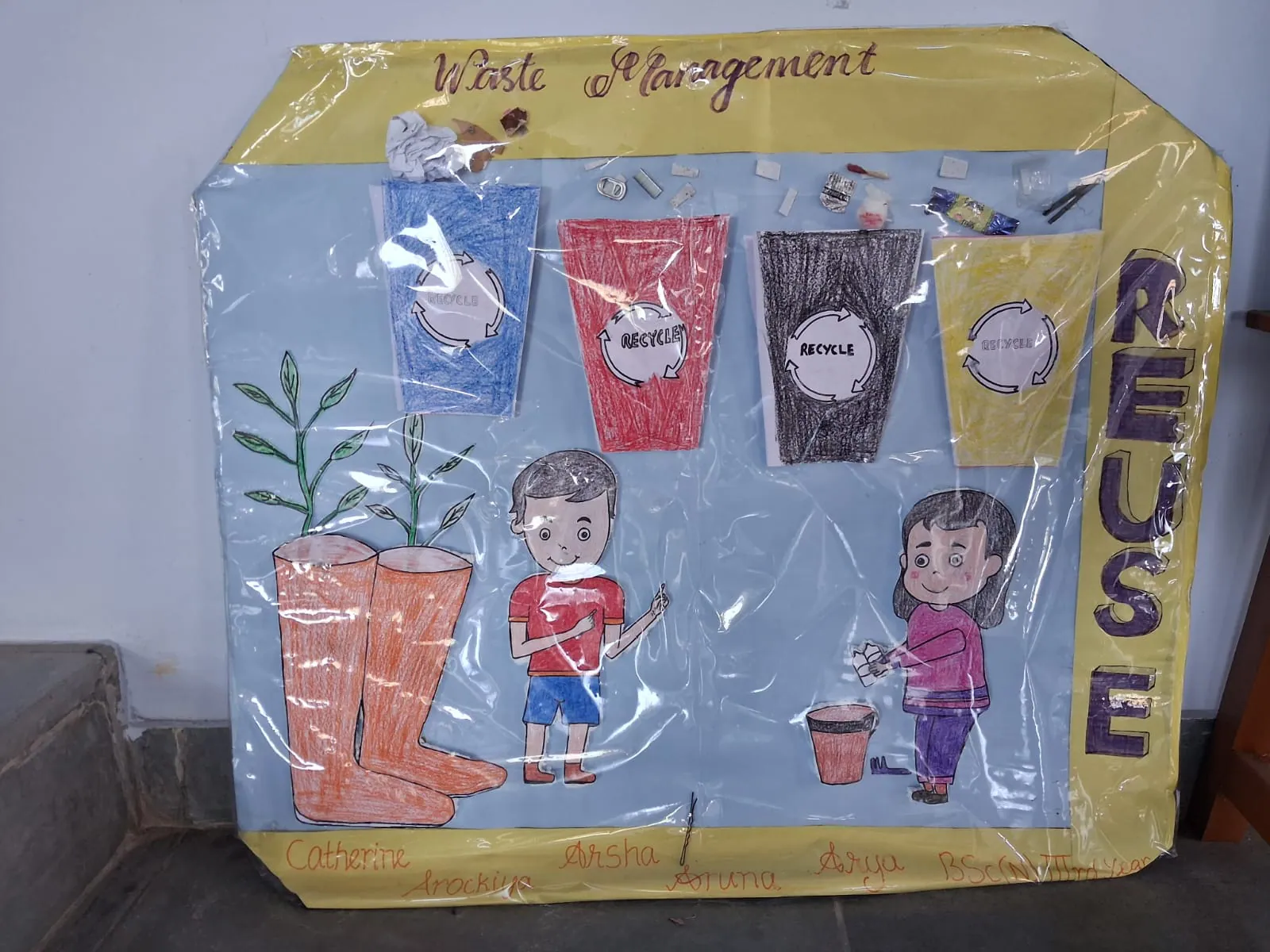
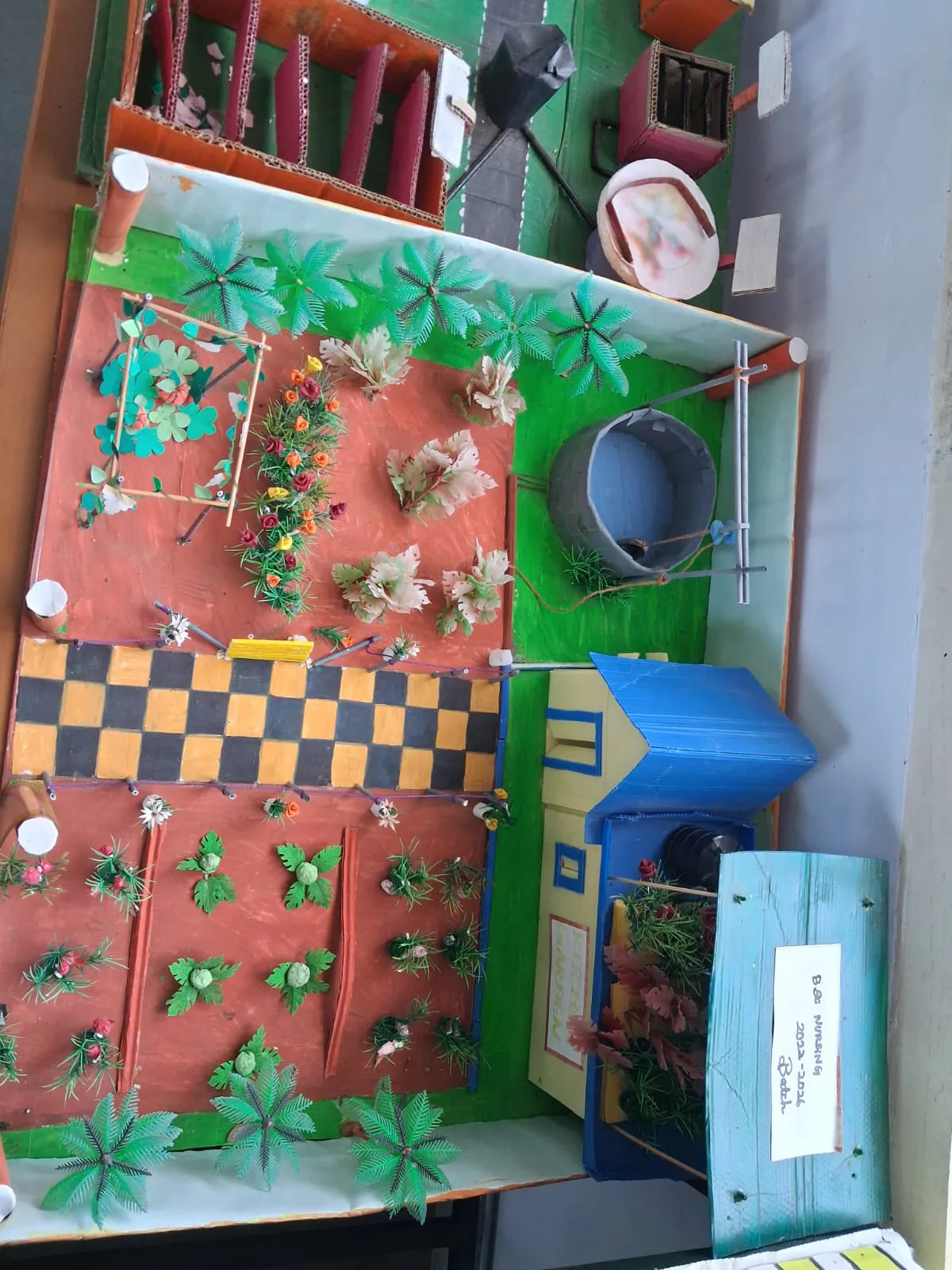
Mental-health awareness, nutrition education and community-health models prepared by B.Sc. Nursing students as part of their departmental learning.